
The Ultimate Keto Diet Guide for Beginners: Everything You Need to Know to Start Safely
If you are looking for a reliable way to boost fat loss, stabilize your daily energy levels, and improve metabolic health, you have likely run across the ketogenic diet. But transitioning your body into a completely new metabolic state can feel overwhelming without a clear roadmap.
This comprehensive, science-backed beginner’s guide strips away the confusion. You will learn exactly how the keto diet works, what foods to pack into your grocery cart, what to strictly avoid, and how to successfully navigate the first critical week using proven Keto Support systems.

Quick Navigation
What is a Ketogenic Diet?
The ketogenic diet (or "keto" diet) is a lifestyle centered around a very low-carbohydrate, high-fat, and moderate-protein nutritional split. By drastically reducing carbohydrate consumption, you force your body to alter its primary fuel source from glucose to fat-derived compounds.
Standard Keto Macro Breakdown:
- Fats: 60% to 75% of daily calories
- Proteins: 20% to 35% of daily calories
- Carbohydrates: 5% to 10% of daily calories (usually under 20g–50g of net carbs per day)
How Ketosis Works
Under a typical high-carbohydrate diet, your body breaks down starches and sugars into glucose, utilizing insulin to escort it into your cells for instant energy. When carbohydrates are restricted to fewer than 50 grams per day, glucose reserves quickly deplete.
Your liver then begins breaking down dietary and stored body fats into molecules called ketones. This metabolic state is known as ketosis.
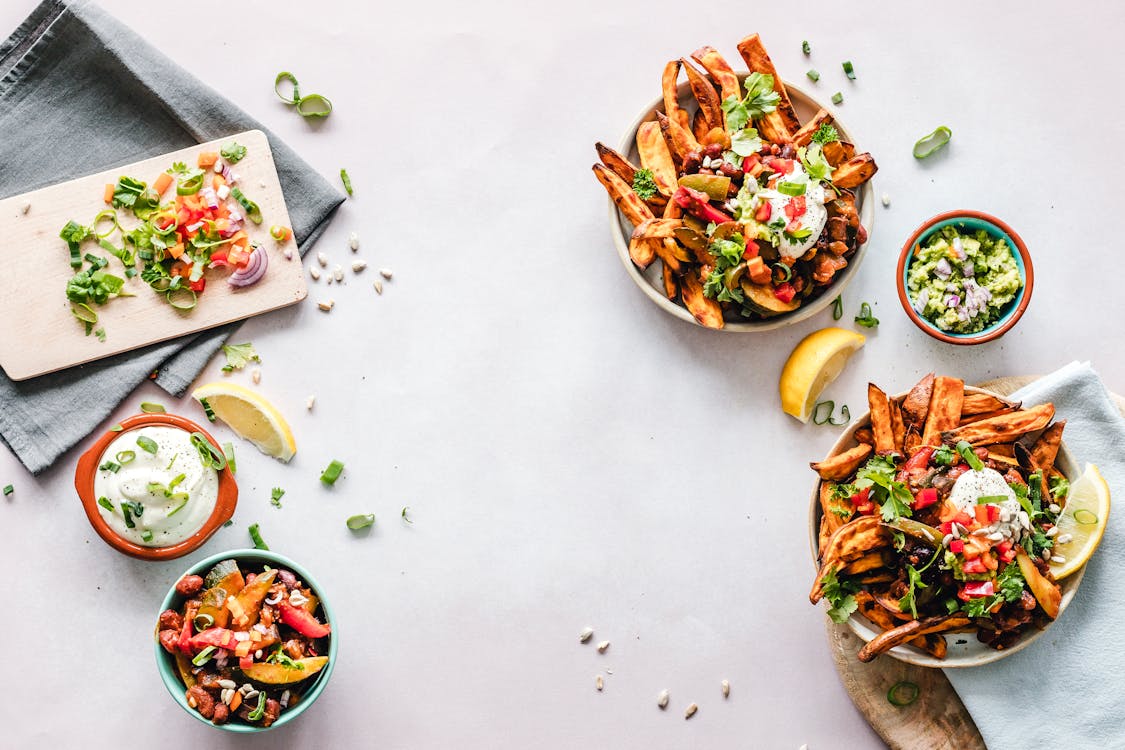
This fundamental shift, where you burn fat for fuel instead of glucose, is the cornerstone of the protocol. While transitioning into ketosis typically takes between 2 to 4 days, utilizing high-quality Keto Support resources can accelerate this process smoothly.
The Complete Keto Food List: What to Eat
To keep your body in a fat-burning state, focus your meals around whole, nutrient-dense ingredients rich in healthy fats and proteins. Below is a detailed breakdown of keto-friendly foods per 100g portion:
| Food Category | Best Examples | Net Carbs (per 100g) | Primary Benefit |
|---|---|---|---|
| Healthy Fats & Oils | Extra virgin olive oil, Avocado oil, Grass-fed butter | 0g | Sustained energy and satiety |
| Fish & Seafood | Wild-caught salmon, Mackerel, Sardines, Shrimp | 0g | Rich in anti-inflammatory Omega-3s |
| Targeted Supplements | Premium Keto Support Essentials | 0g | Optimizes metabolic shift and energy |
| Meat & Poultry | Chicken thighs, Grass-fed beef, Turkey, Pork | 0g | Protects muscle mass during fat loss |
| Eggs | Whole pasture-raised eggs | <1g | Highly bioavailable proteins & vitamins |
| Non-Starchy Veggies | Spinach, Cauliflower, Broccoli, Zucchini | 1g - 4g | Packed with essential fiber & micronutrients |
High-Carb Foods to Avoid
To avoid knocking yourself out of ketosis, you must eliminate starchy and sugary items from your primary meals. This can often mean a major lifestyle adjustment. Watch out for these hidden carb culprits:
- Grains: Wheat, rice, oats, barley, quinoa, corn, bread, pasta, and cereal.
- Sugary Foods: Soda, fruit juices, candy, ice cream, cakes, cookies, and processed agave/honey.
- Starchy Vegetables: Potatoes, sweet potatoes, yams, peas, and parsnips.
- High-Sugar Fruits: Bananas, grapes, mangoes, pineapples, and dried fruits.
- Legumes: Lentils, chickpeas, black beans, and kidney beans.

Sample 7-Day Keto Meal Plan for Beginners
Starting out doesn't have to be complicated. Success on keto often comes down to successful planning. Use this basic 7-day meal outline to take the guesswork out of your first week on a ketogenic protocol:
Day 1 to Day 3
- Breakfast: Scrambled eggs cooked in grass-fed butter with a side of wilted spinach.
- Lunch: Grilled chicken breast served over mixed greens with avocado slices and extra virgin olive oil dressing.
- Dinner: Pan-seared salmon served alongside roasted cauliflower mash.
Day 4 to Day 5
- Breakfast: Full-fat Greek yogurt topped with a handful of crushed macadamia nuts and raspberries.
- Lunch: Lettuce-wrapped turkey burgers with cheddar cheese and avocado mayo.
- Dinner: Beef stir-fry featuring broccoli, bell peppers, and mushrooms sautéed in sesame oil.
Day 6 to Day 7
- Breakfast: Omelet stuffed with goat cheese, mushrooms, and diced bacon.
- Lunch: Tuna salad made with avocado-oil mayonnaise, celery, and served inside romaine lettuce boats.
- Dinner: Baked pork chops accompanied by roasted zucchini noodles tossed in garlic oil.
Frequently Asked Questions (FAQs)
What is the "Keto Flu" and how can I avoid it?
The keto flu refers to a collection of temporary symptoms—such as headaches, fatigue, brain fog, and mild nausea—that occur as your body sheds excess water and essential minerals during the transition phase. You can avoid or mitigate these symptoms by drinking plenty of water, replenishing your electrolytes, or implementing a specialized health protocol like the one found at Keto Support.
How can I track if I am successfully in ketosis?
While physical signs like reduced appetite, increased mental clarity, and dry mouth are common indicators, you can accurately measure ketones using urine test strips, breath meters, or specific tools highlighted in professional Keto Support toolkits.
Can I eat any fruit on a keto diet?
Yes, but in strict moderation. Berries such as blackberries, raspberries, and strawberries are low in net carbohydrates and high in fiber, making them excellent choices compared to high-sugar tropical fruits.